

My First Easter Babka
This Easter Babka is one of those recipes that feels like memory more than instruction. A soft, slightly sweet Polish yeast cake that comes together imperfectly—but beautifully—just the way a traditional babka recipe should.
I’ve seen this homemade Easter dessert made so many times, and this was my first time making it myself. Not perfectly smooth, not perfectly shaped—but real, warm, and full of that familiar feeling.
If you’ve never made Easter babka before, don’t worry. The dough may look uneven at first, but with a little time and patience, it transforms into something truly special

Ingredients
- 3 cups all-purpose flour
- 2 eggs
- 1/2 cup sugar (adjust to taste)
- 1/2 cup mascarpone cheese (or ricotta if mascarpone isn’t available)
- 1/2 cup milk (lukewarm)
- 2 1/4 tsp dry yeast (1 packet)
- 1/2 cup butter (melted)
- Pinch of salt
- Optional: vanilla extract or lemon zest
For topping:
- Powdered sugar (for dusting)
- Optional glaze: powdered sugar + a little milk
The Process of Making Easter Babka
Step 1: Activate the Yeast
In a bowl, combine:
- 2 1/4 tsp dry yeast
- 2 tablespoons sugar
- 5 tablespoons flour (taken from your total 3 cups)
- about 1/2 cup warm milk
Mix gently and let it sit for 15–20 minutes.
👉 You’re looking for bubbles on top — that means your yeast is alive and ready.

As yeast mixture is working on rising you can start another step
Step 2: Egg Mixture
In another bowl:
- beat 2 eggs
- add remaining sugar
- add vanilla sugar
Mix until smooth and slightly fluffy.


Step 3: Build the Dough
To the egg mixture, add:
- mascarpone (or ricotta)
- the activated yeast mixture
Mix everything together.


Then start adding the remaining flour one spoon at a time until a thick dough forms.


The dough came together thick, slightly uneven, but familiar. Not perfect. Not smooth. Just real.
Step 4: Add Butter
Slowly mix in:
- 1/2 cup melted butter
👉 The dough will look uneven, soft, and a little messy — that’s normal and authentic.
Then I added the melted butter, folding it in until everything came together into a soft, rich dough.


Letting It Rise
I covered the bowl with a cloth and placed it somewhere warm — in my case, out in the sun.
That was the hardest part — waiting. Checking it. Wondering if it would rise.
It didn’t rise dramatically, but it changed. It softened. It became alive. It took a bit more then an hour for it to rise
👉 It may not double dramatically — but it should become softer and slightly puffed.

Shaping & Second Rise
I gently transferred the dough into a greased bundt pan, shaping it loosely.
Then I let it rest again for about 30 minutes — just enough to relax and puff slightly.


Baking
I baked it at 350°F (175°C) until golden brown on top (about 40–45 minutes, depending on your oven).
The smell filled everything.
How to Know It’s Ready
- golden brown on top
- smells rich and buttery
- toothpick comes out mostly clean (a little soft is OK — it finishes as it cools)


The Result
When it came out, it was golden, rustic, imperfect… and beautiful.
I dusted it with powdered sugar while it was still slightly warm.
When I cut into it, the inside was soft, buttery, and comforting. Not overly sweet — just enough. The kind of cake you pair with coffee, or share without needing a reason.

Notes
- If mascarpone isn’t available, ricotta works beautifully (just drain it slightly if it’s very wet).
- This is a lightly sweet dough — add a bit more sugar if you prefer a dessert-style cake.
- It may feel slightly dense when warm — it lightens as it cools.
Other sweet Mama recipes

If you love baking with ricotta you might enjoy my chocolate ricotta cake HERE

delish soft pretzels Recipe HERE
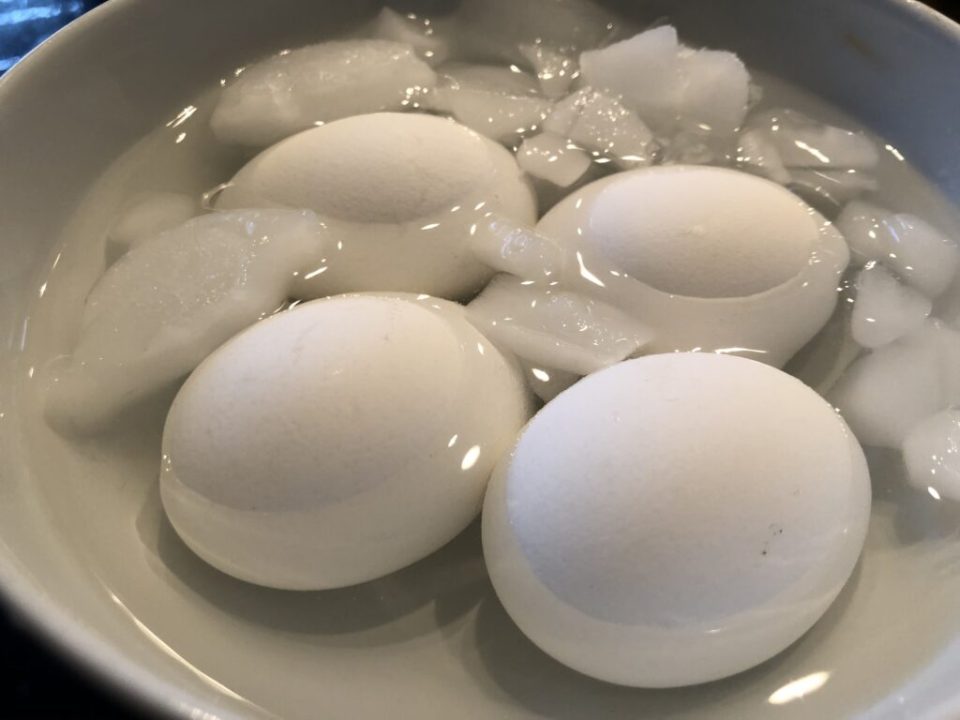
See HERE my mama cooking tips on Hard boiling eggs


